Incremental Housing Everywhere
In a strong town, housing emerges rapidly in response to local needs.
Isaiah Paget
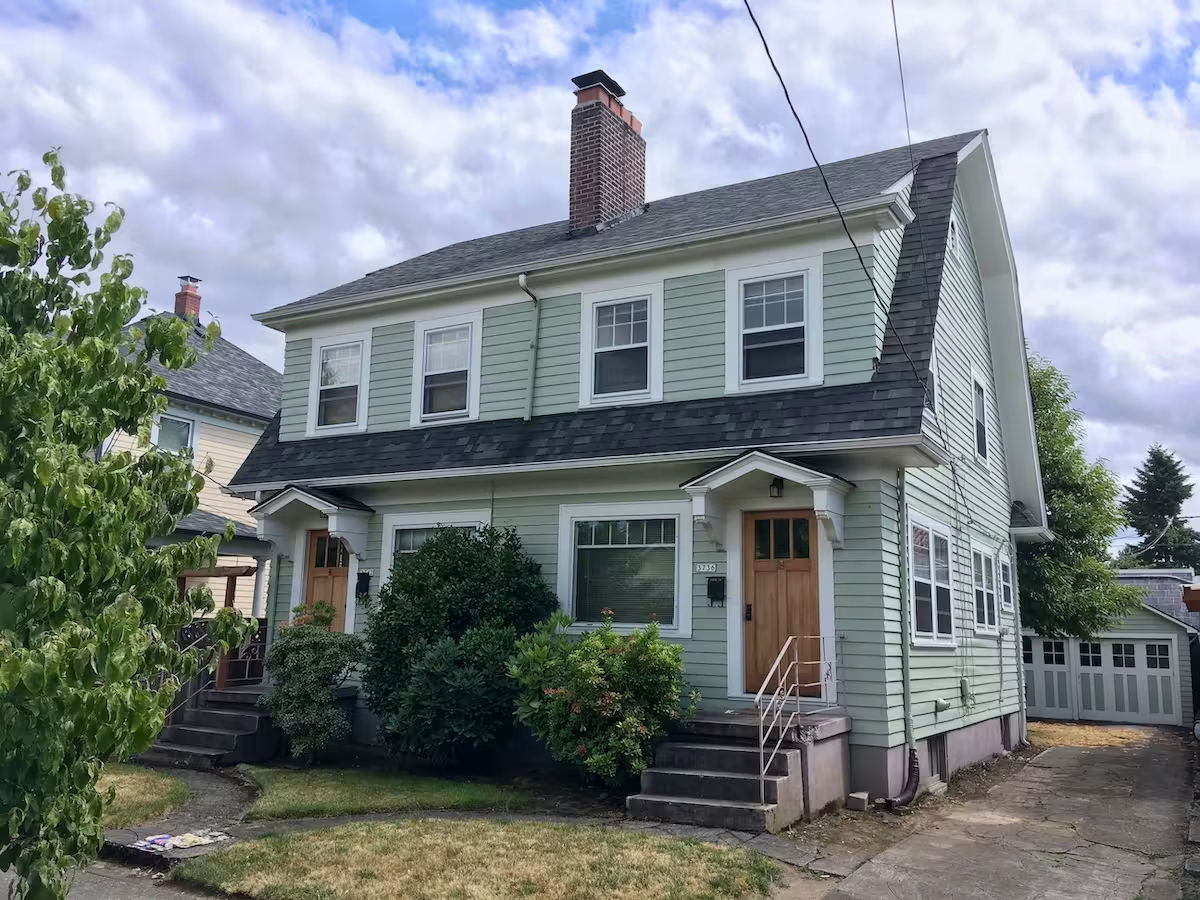
Cities must address regulations that block bottom-up responses to housing needs.
Kelowna has zoning codes and building regulations that stunt the local housing market. If you want to build anything other than a single-family home on a large lot, you’re probably going to need a variance, a rezoning, or a long, expensive approval process. That’s a huge barrier for small-scale developers, homeowners, and local builders who might otherwise be able to add housing in a way that fits the neighborhood. Such as adding a granny flat in the back, or adding another floor to support multi-generational homes.
A healthy housing market is built by many hands
A healthy housing market isn’t built by a few big players dropping in massive developments. It’s built by homeowners, local builders, and neighborhood developers, each making their own contributions. The incremental approach works because it’s fast, adaptable, and rooted in the community. It allows neighborhoods to mature naturally. It spreads out risk. And it creates opportunities for wealth-building at the local level. When you legalize and support this kind of development, you unlock the power of many hands working together to solve the housing crisis.